Fish Classification complete project with DVC pipeline
This project focuses on classifying different species of fish using a machine learning model. The goal is to automate the process of identifying fish species efficiently, using transfer learning techniques with a VGG model. The model is trained to categorize fish into predefined classes, allowing for streamlined species identification and easy retrieval.
Project Objective
The objective of this project is to build a fish classification model capable of identifying fish species based on their images. The project involves training and evaluating a transfer learning model to accurately predict the species of each fish, enabling the automatic identification of fish species.
Steps Involved:
Data Preparation:
- Collect and clean the data by removing noise such as irrelevant backgrounds.
- Resize and normalize images to ensure consistency.
Model Selection:
- Used transfer learning with the VGG model:
- VGG16
- VGG19
Model Training:
- Split the dataset into training and test sets (usually 70-30 or 80-20).
- Train the model on the training set and evaluate it on the test set.
Evaluation:
- Accuracy: Measures the percentage of correct predictions.
- Confusion Matrix: Shows true vs. predicted labels.
- Precision, Recall, and F1 Score: Measures how well the model performs, especially for imbalanced data.
Results:
The model with the highest accuracy and F1 score was selected. The confusion matrix showed where the model made mistakes, which helped improve the classification process.
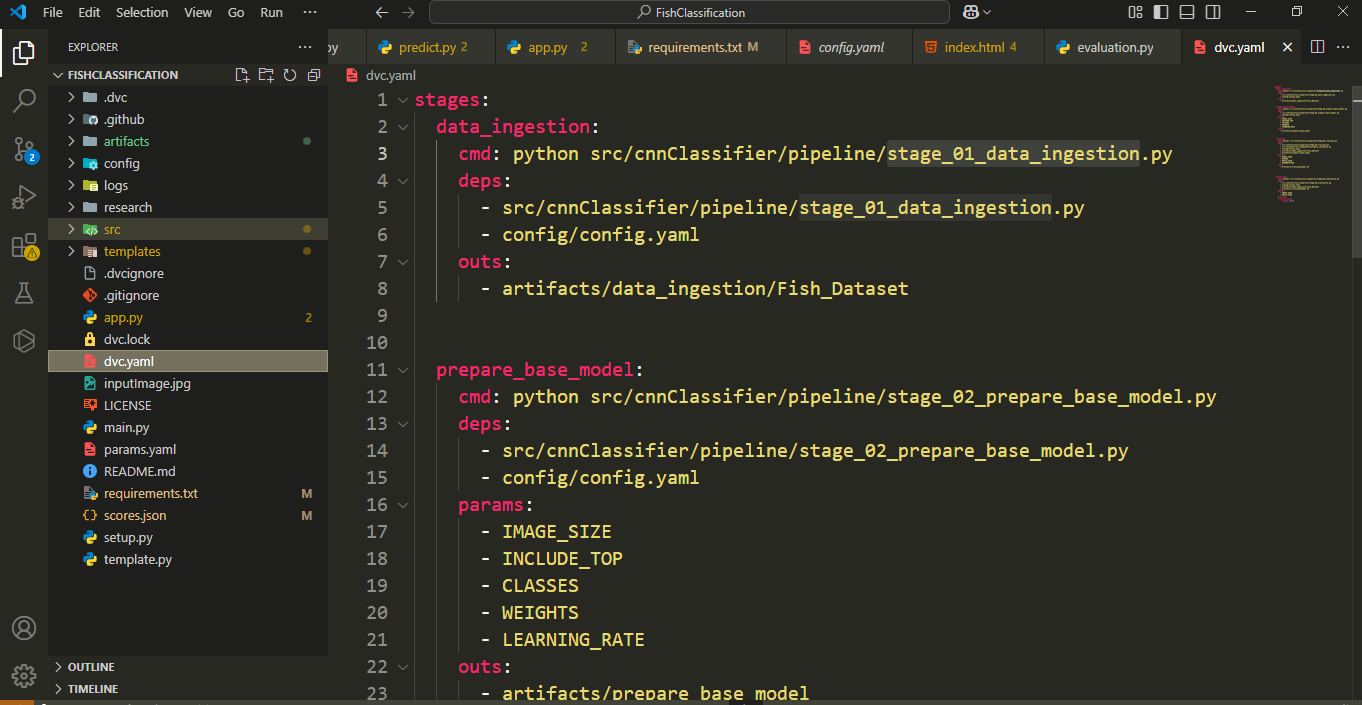
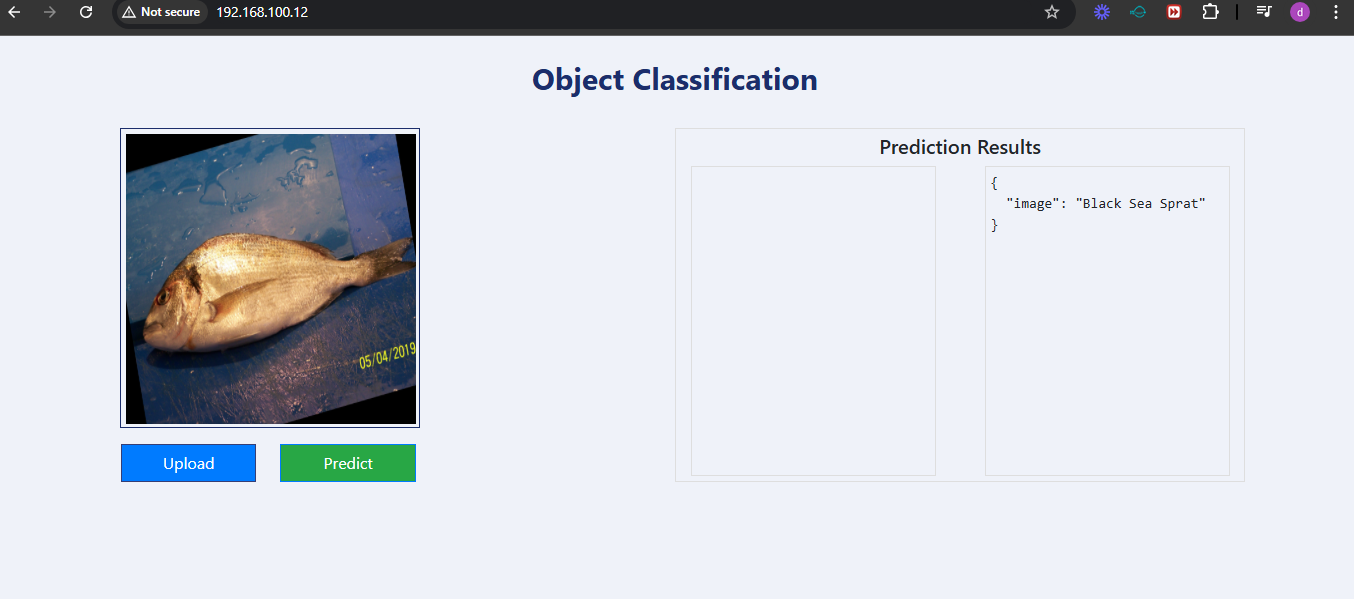
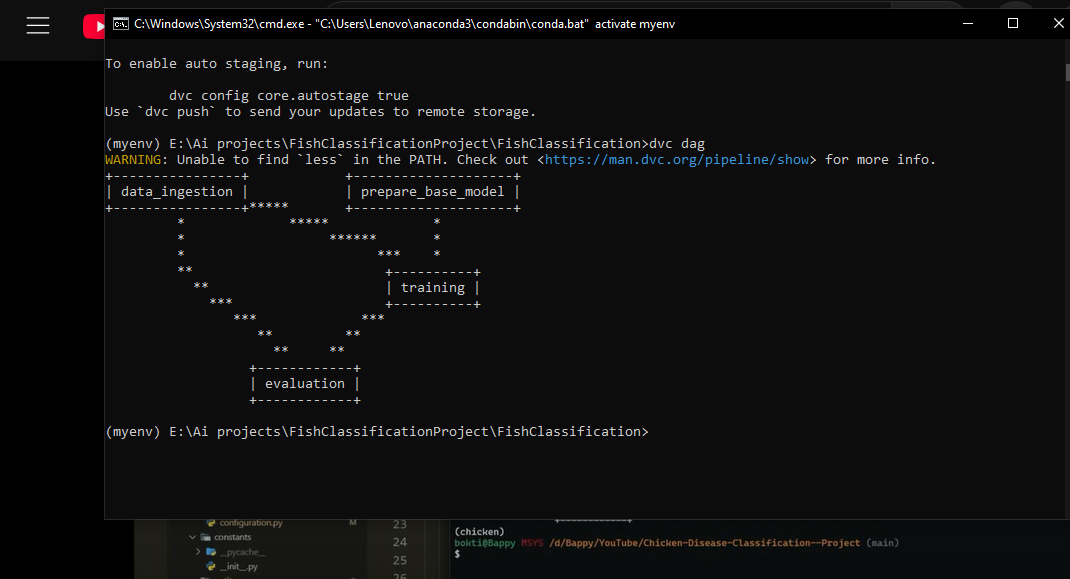
Images from the Project